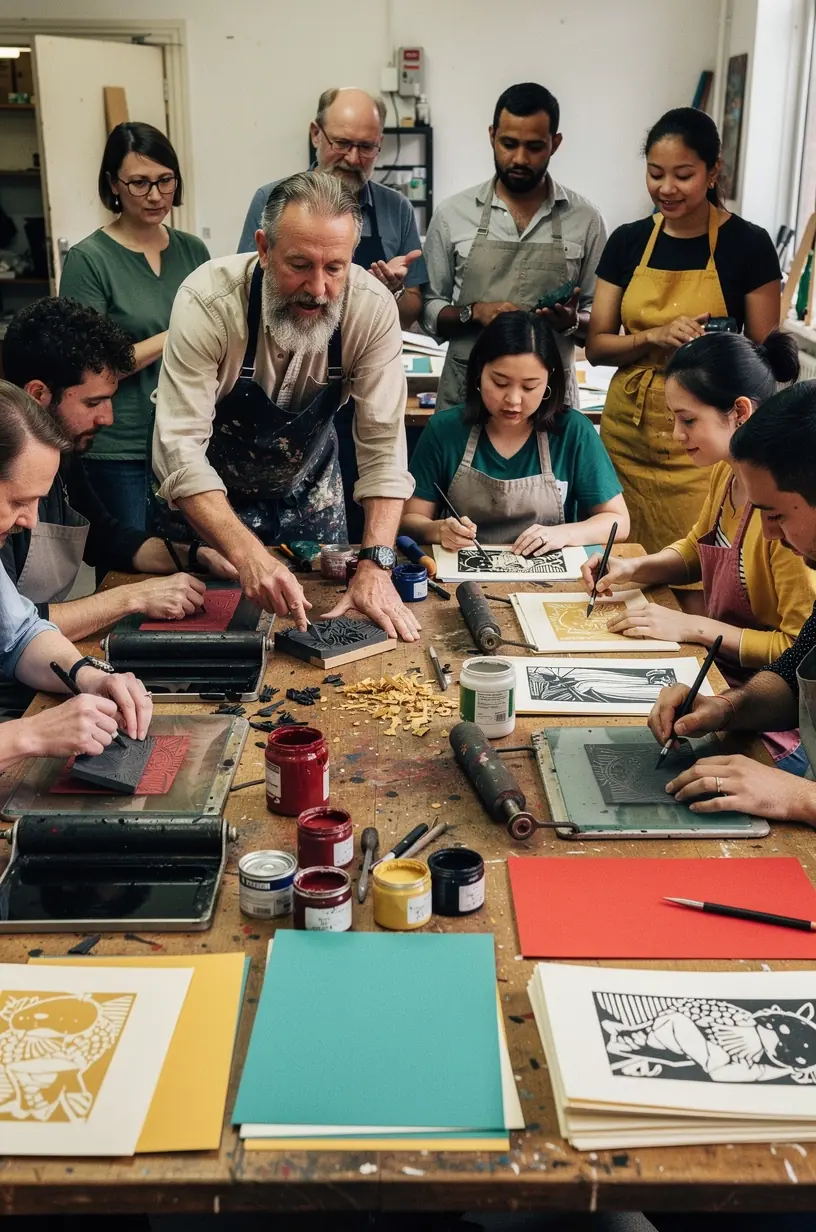
Understanding the Crafting Process for Handmade Products
Creating handmade products is a fulfilling endeavor that combines creativity, skill, and a deep understanding of materials and techniques. This article explores the crafting process, providing insights into how hobbyists can effectively transform their ideas into tangible products.
Understanding the Basics
The crafting process typically begins with an idea or concept. According to industry experts, defining the purpose of your product is crucial as it informs the design and materials used. Many users report that taking the time to sketch ideas or create mood boards can significantly clarify their vision. This works because visualization helps in identifying the essential elements and refining the concept before production begins.

"A well-defined concept serves as a roadmap for the crafting process, guiding decisions on materials and techniques."
Choosing the Right Materials
Selecting appropriate materials is a pivotal step in the crafting process. Research indicates that the choice of material can influence not only the aesthetic appeal but also the durability and usability of the finished product. Common materials used in handmade crafts include:
- Wood: Often chosen for its versatility and natural beauty.
- Fabric: Ideal for textile crafts, with a wide range of textures and colors.
- Clay: Frequently used in pottery and sculpting, allowing for intricate designs.
In most cases, the materials selected should align with the product's intended use and the skills of the crafter. Beginners may benefit from starting with simpler materials that are easier to manipulate.
Mastering Techniques
Once the concept and materials are in place, learning the necessary techniques is essential. This phase may require considerable practice and often involves a learning curve. For instance, a study by the Craft Council suggests that dedicated practice can improve skill levels significantly, with most users observing noticeable enhancements within a few weeks. Techniques may include:
- Knitting or crocheting: Useful for creating fabric items, requiring regular practice to master stitches.
- Woodworking: Involves various methods such as carving, sanding, and finishing wood, which can take time to perfect.
- Painting or decorating: Adds personal flair but often necessitates an understanding of color theory and application methods.
It is essential to approach these techniques with patience and dedication, as improvement typically comes with consistent effort.
Creating and Refining Your Product
The actual creation of the product is where the crafting experience comes to life. This stage involves assembling the chosen materials and applying the learned techniques. Many crafters find that they need to revisit earlier stages, such as refining their design or adjusting their techniques, throughout this process. This iterative practice is important as it ensures the final product meets the crafter's standards.
Conclusion
Understanding the crafting process for handmade products requires a blend of creativity, material knowledge, and technical skill. While this journey can involve challenges, with dedication and practice, hobbyists can create unique, high-quality items. As with any skill, the results often improve over time, and being open to learning will enhance the overall crafting experience. Remember, the goal is not just to produce a product, but to enjoy the process of creation itself.
Learn More