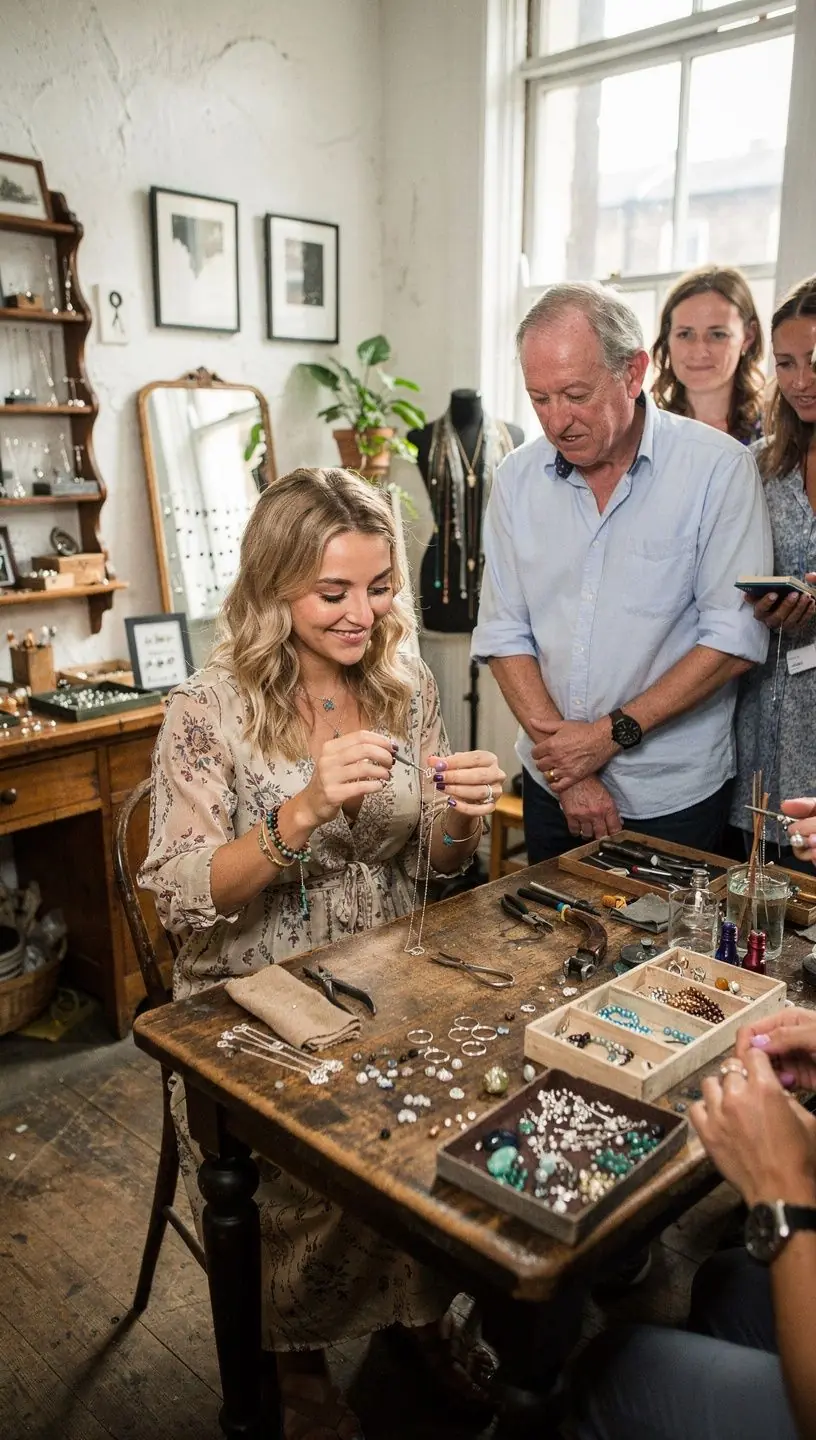
How to Develop a Product Line as a Hobbyist
Creating a product line as a hobbyist can be a fulfilling venture. This article explores the essential steps to develop your product line, focusing on practical insights and realistic expectations.
Understanding the Basics
Developing a product line involves several crucial steps, including market research, product design, and marketing strategies. According to industry experts, understanding your audience is the first and most vital step. Knowing who your target customers are can greatly influence your product decisions and overall success rate.

"Research indicates that businesses that prioritize understanding their customer base typically see a 20-30% increase in engagement."
Identifying Your Niche
Many hobbyists often find it beneficial to focus on a specific niche within their craft. This is important because a well-defined niche can make your product line more appealing to a targeted audience. Consider the following:
- Research Market Trends: Use tools like Google Trends or social media analytics to identify what products are currently popular.
- Evaluate Your Skills: Focus on products that align with your strengths and interests, as this will enhance both your enjoyment and potential quality of output.
- Acknowledge Competitors: Evaluate what similar products are available and identify gaps in the market that you can fill.
Designing Your Product Line
Once you have a niche, the next step is designing your product line. The design process can vary greatly depending on your craft, but here are some general steps:
- Prototype Development: Create initial prototypes of your products. This process may involve trial and error and typically requires a few weeks to perfect.
- Feedback Loop: Share your prototypes with friends or potential customers to gather constructive feedback. This can help refine your designs and align them more closely with market needs.
- Finalize Designs: Based on feedback, make necessary adjustments to your designs before proceeding to production.
Marketing and Launching Your Product Line
After your products are developed, the next step is marketing. Experts recommend using a combination of online and offline methods to reach your target audience effectively:
- Social Media Presence: Platforms like Instagram and Pinterest are great for showcasing handmade products. Many users report increased visibility by consistently posting engaging content.
- Craft Fairs and Local Markets: Participating in local events can provide direct access to customers and allow for immediate feedback.
- Online Marketplaces: Consider setting up a shop on platforms such as Etsy, which is dedicated to handmade products. This can broaden your reach significantly.
Conclusion
Developing a product line as a hobbyist requires careful planning, dedication, and a willingness to learn. By following the steps outlined above, hobbyists can create a product line that not only reflects their passion but also meets the needs of a targeted market. Remember, while this process may take time and effort, many have found it to be a rewarding endeavor that enhances their skills and opens up new opportunities.
Learn More